Southeast Wisconsin
Milwaukee
A lakefront city of 570,000 that behaves like a much larger one downtown and a much smaller one everywhere else. Two days covers the essentials; three lets you eat properly.
Why Milwaukee earns two nights
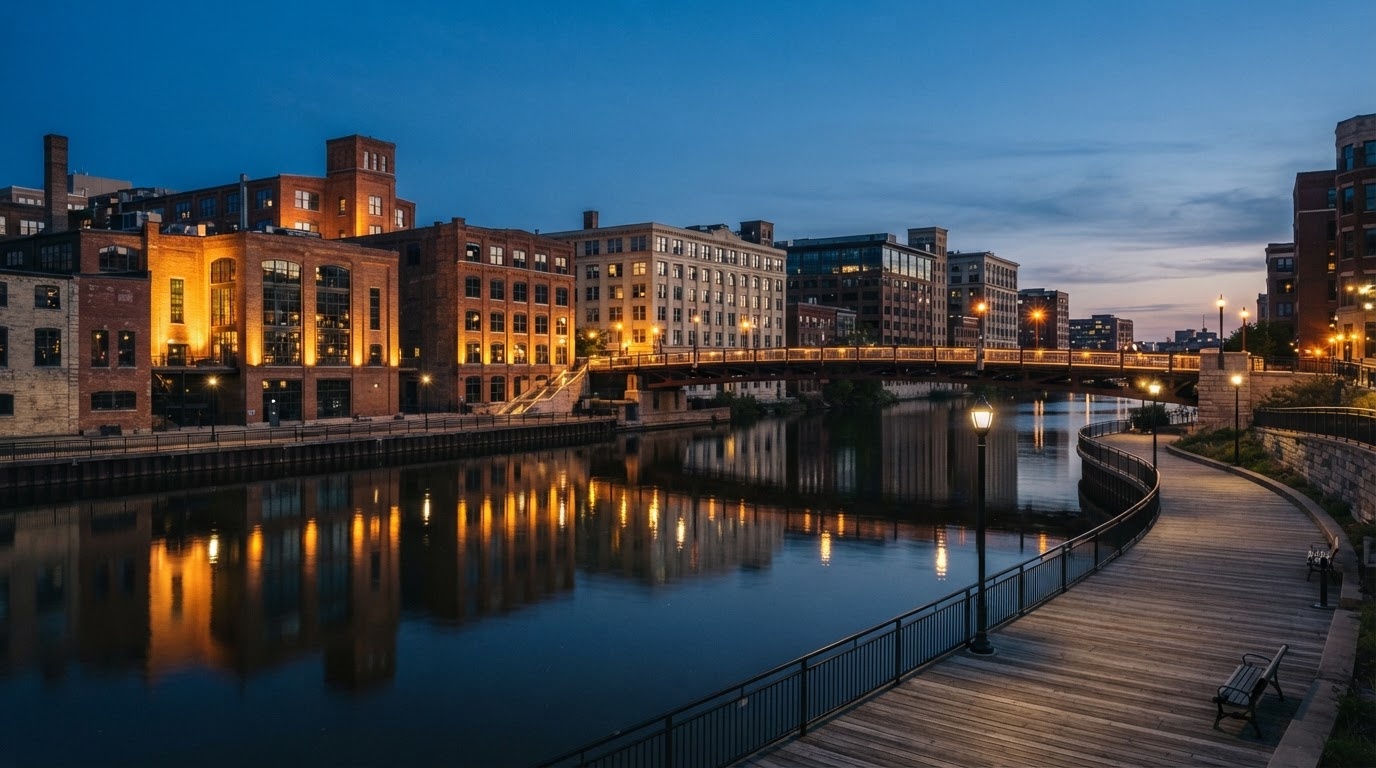
Most visitors treat Milwaukee as a stop between Chicago and Door County. That is a mistake. The city has a genuine architectural identity — a lakefront designed in the 1900s by the same generation that shaped Chicago — plus a brewing tradition that predates most of the American craft beer industry by a century.
It is also unusually easy to navigate. Downtown, the Third Ward and the lakefront sit within a 20-minute walk of each other. Parking is expensive and unnecessary: take the airport train in, and walk or use a rideshare.
What is actually worth your time
Milwaukee Art Museum
The Quadracci Pavilion, with its moveable brise soleil that opens like wings, is the most photographed building in the state. The wings open and close twice a day on a schedule — check the day's times and arrive early enough to watch, because the mechanism is the attraction as much as the collection.
Inside, allow two to three hours. The collection runs from 19th-century German painting through American modernism to a substantial folk and self-taught collection. The lakefront setting means the walk there from downtown is part of the visit.
The RiverWalk and the Third Ward
The Milwaukee River cuts through downtown, and a continuous pedestrian path runs along both banks for about 5 km. Start at the riverfront near the Performing Arts Center and walk south into the Historic Third Ward — a warehouse district of 19th-century brick buildings now full of galleries, design shops and the Milwaukee Public Market.
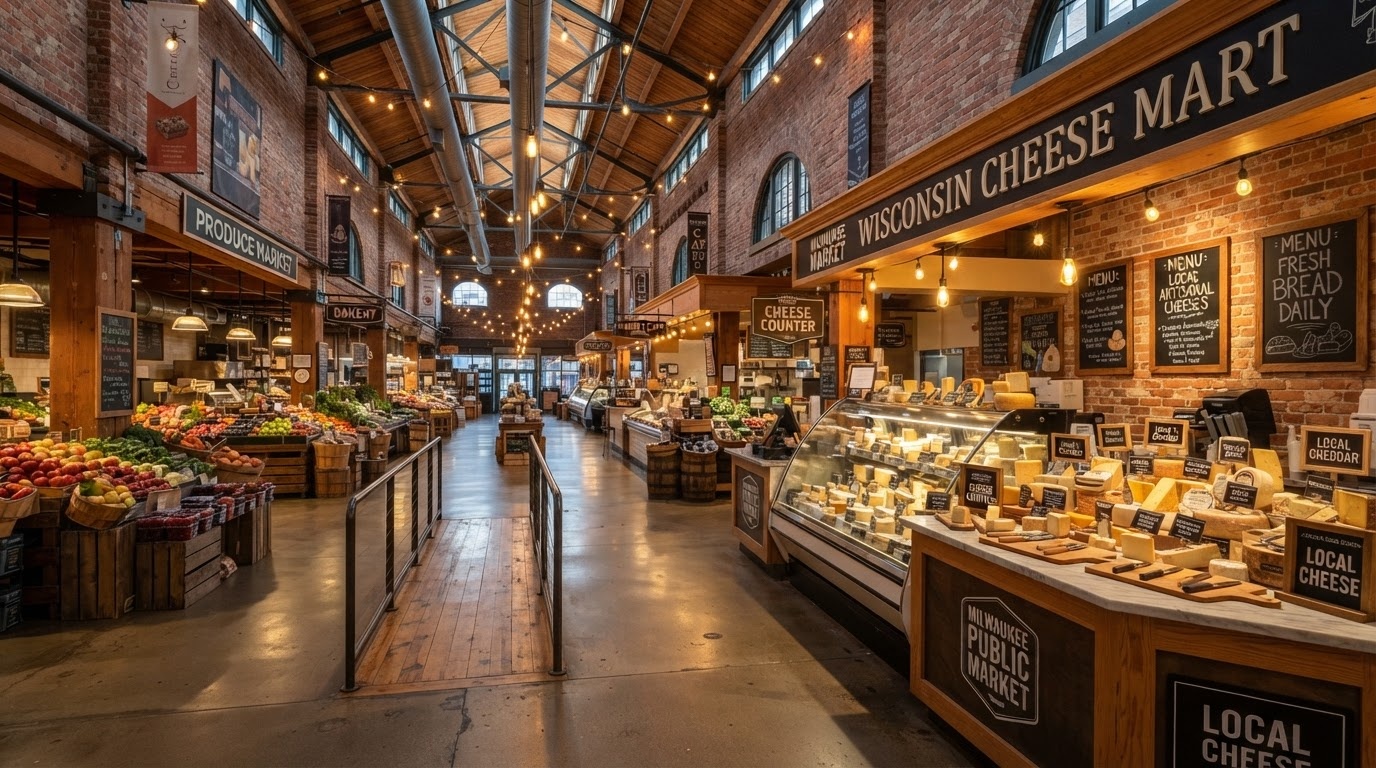
The Public Market is the best single lunch stop in the city: a hall of independent counters, a cheese stall, a spice merchant and decent coffee. It is busy at 12:30 on a Saturday and pleasant at 3pm on a Tuesday.
Brewery history and the taprooms that followed it
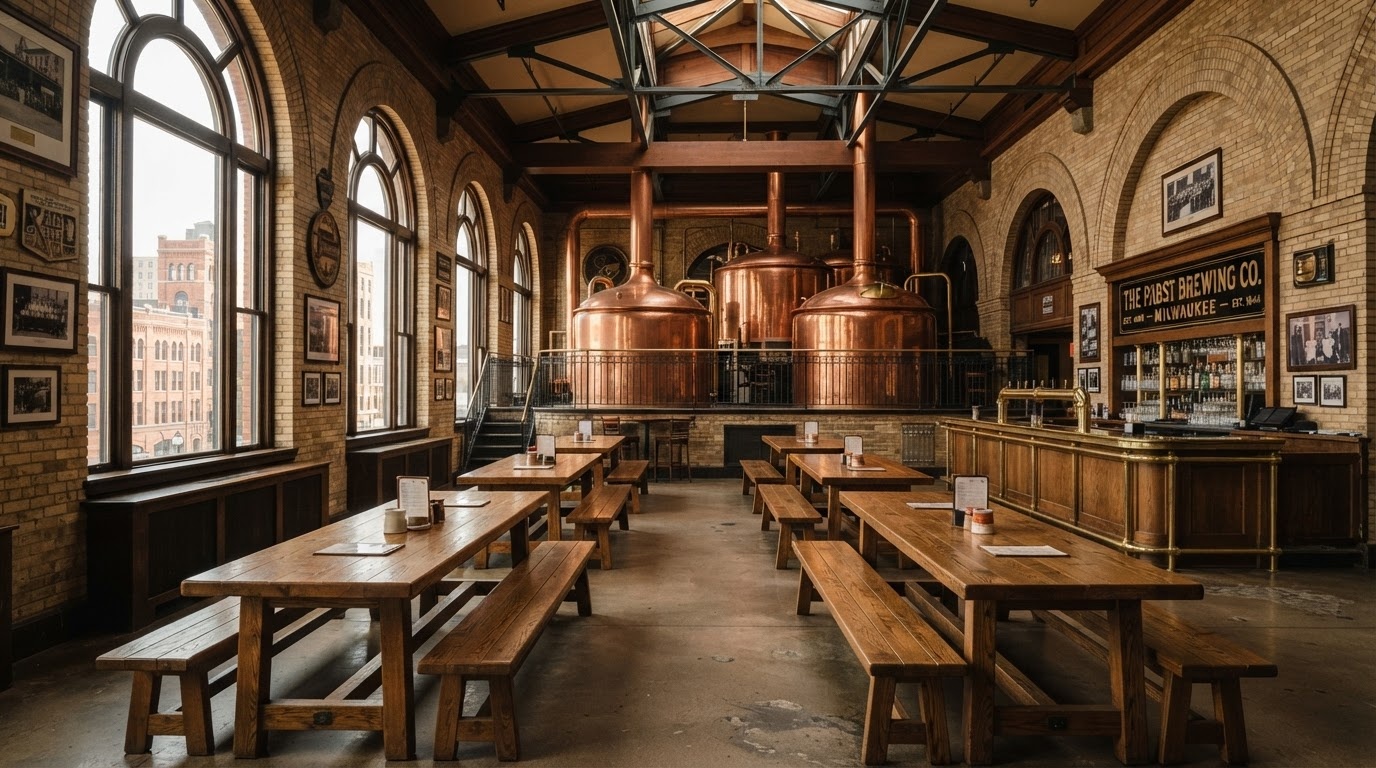
Milwaukee's brewing heritage is not nostalgia — the old plants still run tours, and the history of American lager runs through this city more than any other. Do one heritage tour for the story, then spend your evening in the newer small breweries, where the interesting beer actually is: sours, barrel-aged stouts, and a lot of very good hazy pale ale.
The lakefront and Bradford Beach
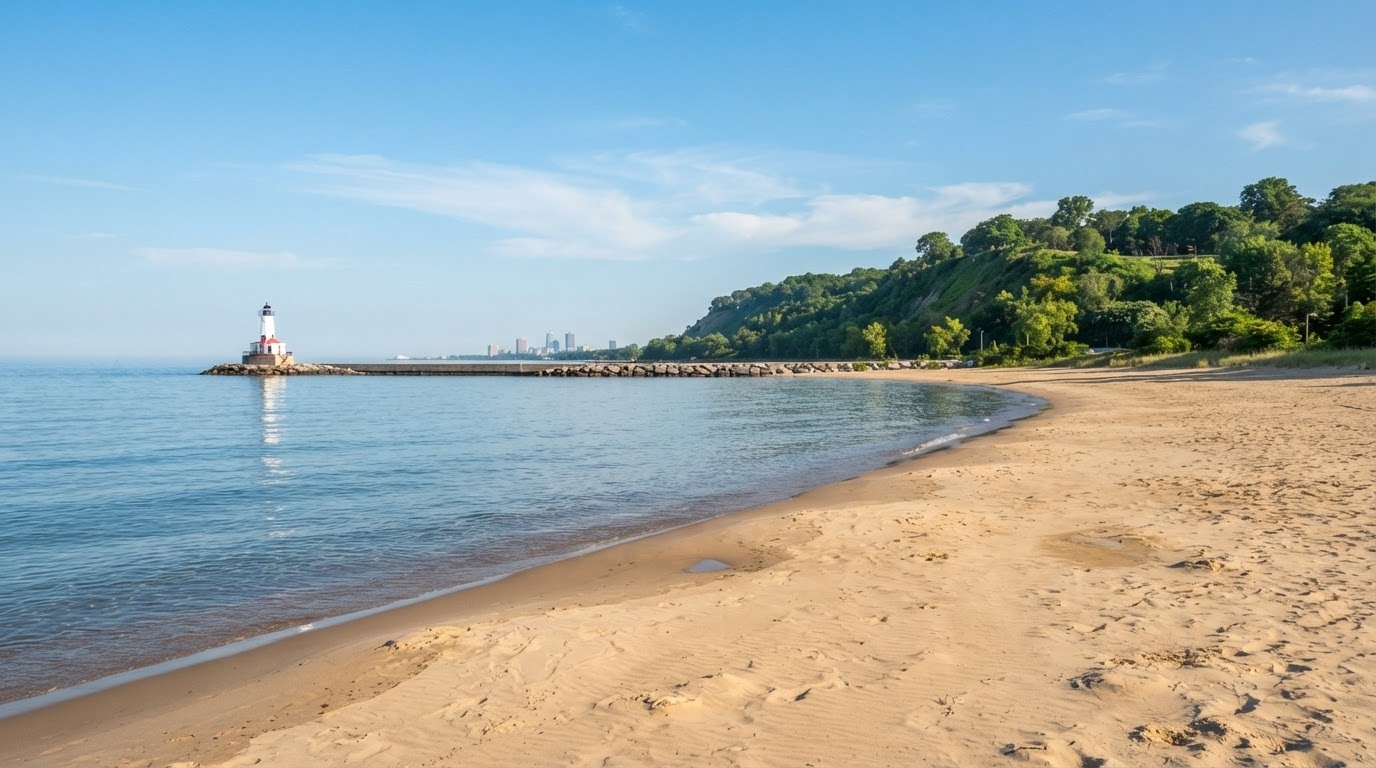
A wide sandy beach on Lake Michigan, ten minutes north of downtown, with a breakwater, a lighthouse view and a bluff behind it. In summer it is genuinely good swimming; in winter it is a bracing walk with the lake frozen along the edge. The lakefront path continues north for another 8 km.
Harley-Davidson Museum
On a 20-acre site south of downtown, with 100 years of motorcycles in a purpose-built industrial building. Interesting even if you do not ride; a good rainy-day option that takes about two hours.
Skip unless you have time
- The downtown casino — nothing you cannot find elsewhere.
- Driving between neighbourhoods. Parking downtown runs high and the walk is usually faster.
- The lakefront festival grounds when nothing is on — it is a car park with a view.
Where to eat
Milwaukee has three restaurant districts worth knowing, and none of them is the tourist strip by the river:
- Third Ward — the polished end. Good for a long lunch, excellent cheese counters, the Public Market.
- Walker's Point — the interesting end. Small kitchens, Mexican bakeries, cocktail bars in former factories.
- Bay View — a residential neighbourhood with the best concentration of everyday restaurants in the city. This is where locals eat on a Tuesday.
And do the fish fry at least once on a Friday: rye bread, coleslaw, beer batter and a brandy old fashioned. See the food and drink guide for what to order.
Getting there and getting around
- By air: Milwaukee Mitchell International, 12 minutes from downtown on the airport train. Also reachable from Chicago O'Hare in about 90 minutes by car or by Amtrak Hiawatha.
- By train: the Hiawatha service runs between Chicago and Milwaukee several times a day and is the most civilised way to arrive.
- By car: I-94 from Chicago, I-94 west to Madison in 1 hour 25.
- In the city: the streetcar loops downtown and the Third Ward; the lakefront and the art museum are a 20-minute walk from most downtown hotels. Rideshares are cheap and plentiful.
When to go
June to September is festival season, anchored by the lakefront music festival at the end of June and the start of July — the largest of its kind in the country, and the reason hotel rates spike. Late September and October are quieter, cooler and better for walking. Winter is cold but the city functions: museums, breweries, the indoor public market and a good holiday lights programme.
For month-by-month conditions, see Events and Seasons.
What is nearby
- Madison — 127 km west, 1 hour 25. The natural second stop.
- Lake Geneva — 84 km southwest, an hour, for the shoreline path and the mansions.
- Kettle Moraine State Forest — 45 minutes north, for hiking and the Ice Age Trail.
- Racine and Kenosha — 30–40 minutes south, with a Frank Lloyd Wright house and a good small art museum.
Planning the whole state? Start with Places to Go, or take the three-day Milwaukee and Madison itinerary.
In pictures
Brick, copper and cold water
Next stop
The most common next move is west to Madison — 1 hour 25 by car, or a bit longer if you stop at a supper club on the way.