Practical
Plan your trip
How to get here, whether you need a car, what things cost and what will surprise you about the weather. This is the page we would read first.
Getting to Wisconsin
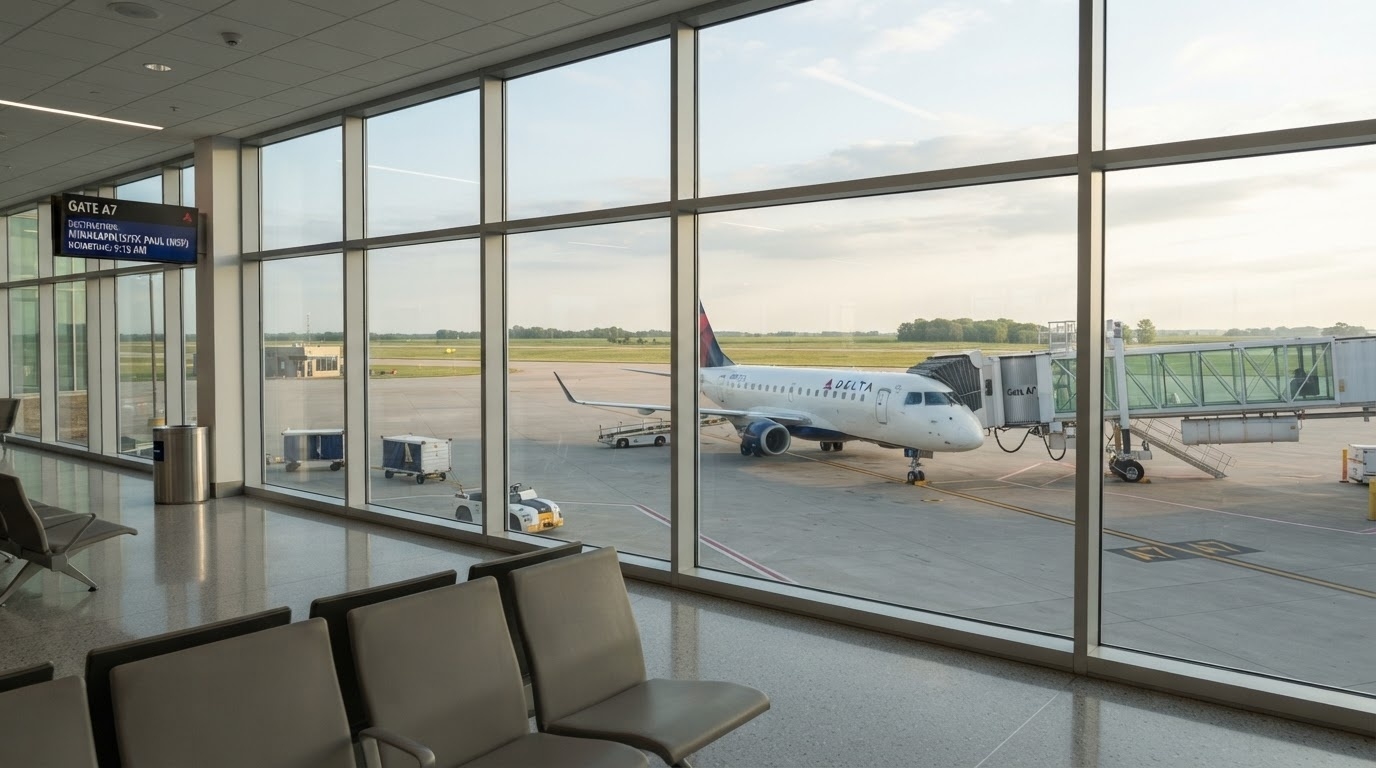
Most visitors arrive from the Midwest by car, and most flyers come through one of four airports:
| Airport | Best for | To downtown |
|---|---|---|
| Milwaukee Mitchell (MKE) | Milwaukee, Lake Geneva, Chicago corridor | 12 min by train |
| Dane County Regional, Madison (MSN) | Madison, the Dells, south-west Wisconsin | 15 min by car |
| Austin Straubel, Green Bay (GRB) | Green Bay, Door County | 15 min by car |
| Chicago O'Hare (ORD) | Cheapest fares, north Illinois and south Wisconsin | 90 min to Milwaukee |
Milwaukee and Madison are the only cities where you can function without a car: both have compact, walkable centres and the Milwaukee airport is on a train line. Anywhere else, hire a car at the airport.
Driving
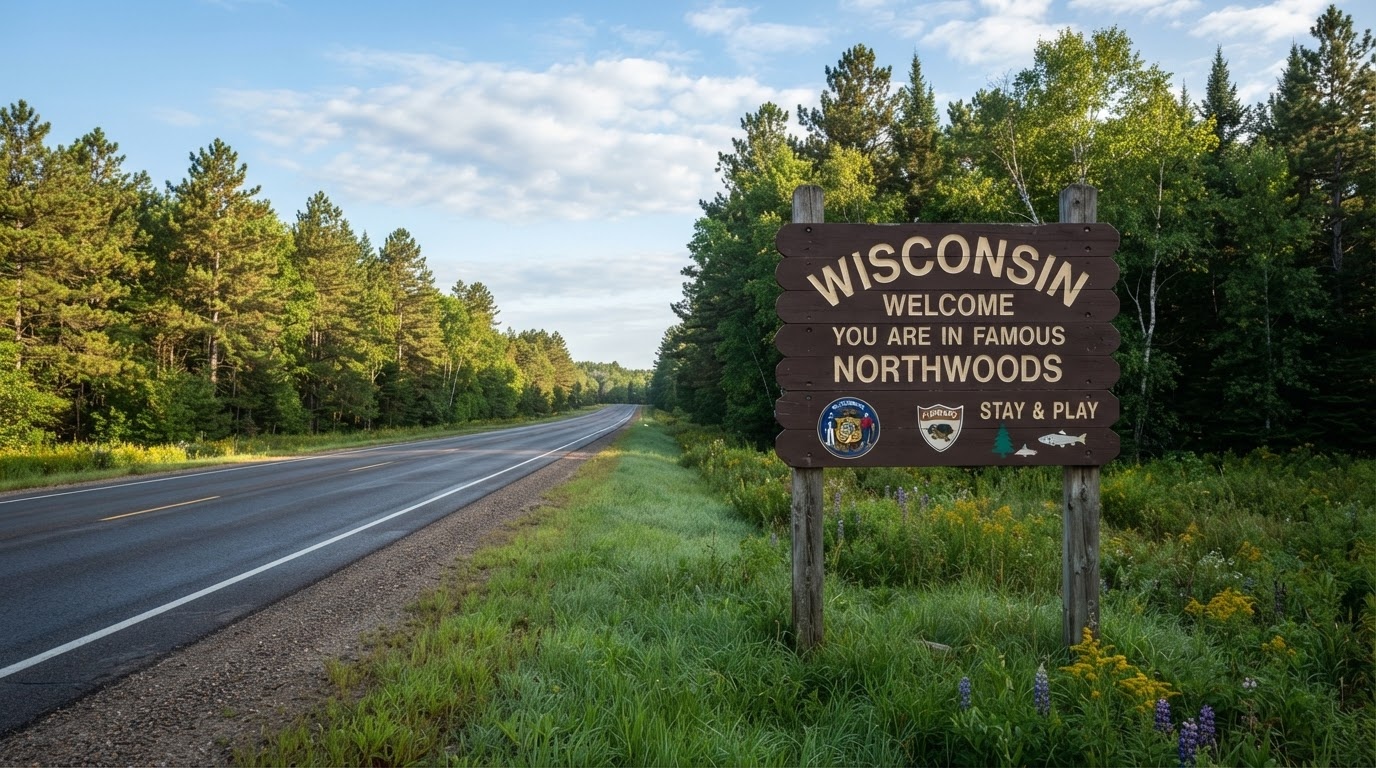
Wisconsin is a car state. The interstate network is good — I-94 runs Chicago to Milwaukee to Madison, I-90 comes west from Madison, I-43 runs up the Lake Michigan coast — but the roads you actually want are two-lane.
- Speed limits are in miles per hour: 65–70 on interstates, 55 on rural highways, 25–35 in town.
- Distances feel longer than they are. A 150 km drive on a two-lane road with a town every 15 km takes close to two hours.
- Fuel stations are far apart in the northwoods. Fill up whenever you pass one; do not assume there will be another in 40 km.
- Deer are a real hazard at dawn and dusk from October to November. Slow down and use full beams when there is no oncoming traffic.
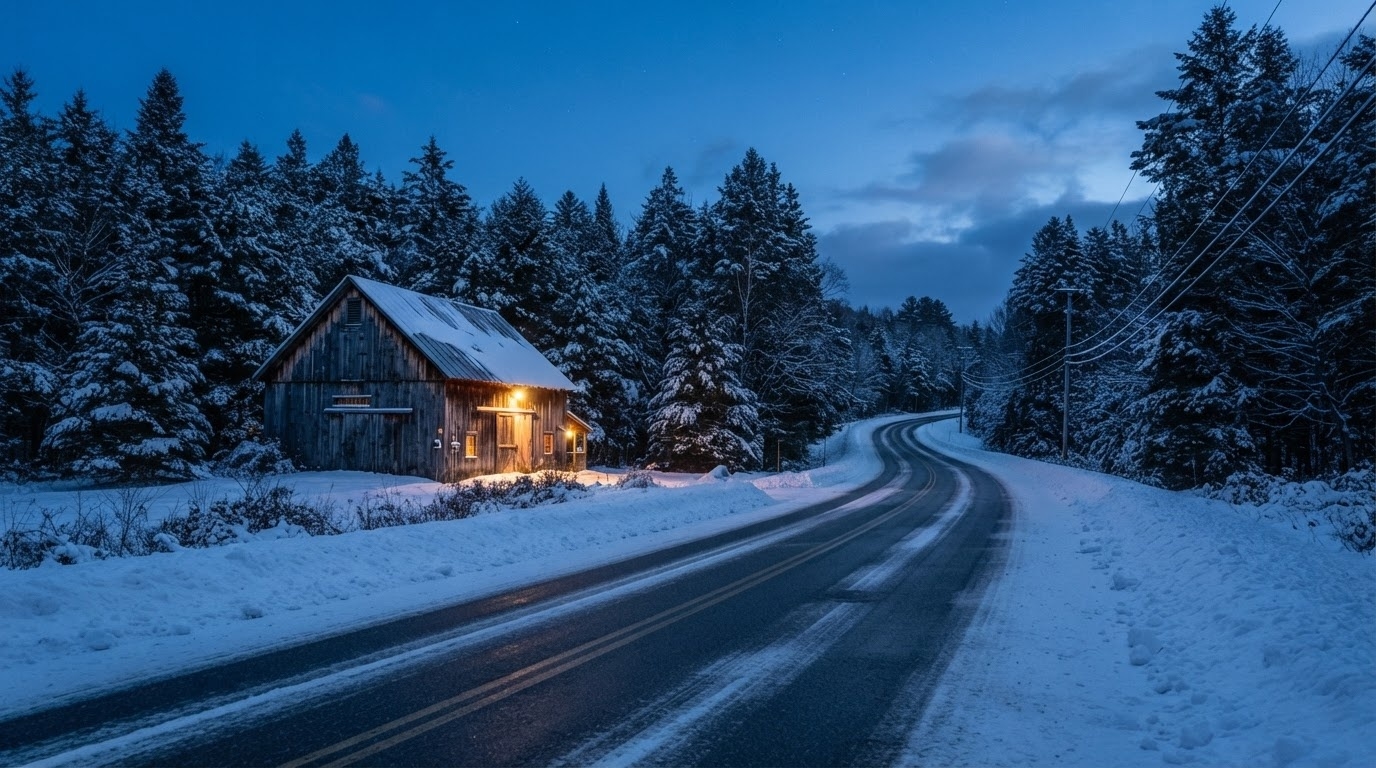
- Winter driving requires winter tyres or all-season tyres in good condition. Roads are ploughed quickly, but rural highways can close in a heavy snowfall.
- Right turn on red is permitted after stopping unless signed otherwise.
Trains and buses
Amtrak's Hiawatha runs several times a day between Chicago and Milwaukee, and the Empire Builder crosses the state from Milwaukee through Columbus, Wisconsin Dells, Portage, Tomah and La Crosse on its way to the west coast. Intercity buses connect the main cities but not the small towns. For anything involving a state park or a peninsula, take the car.
What it costs
Typical mid-range figures, per person per day unless noted. These are guides rather than quotes, and they rise sharply in July, on football weekends and in early October.
| Item | Low | Typical | Peak |
|---|---|---|---|
| Hotel, double room | $95 | $150 | $280+ |
| State park camping | $18 | $25 | $35 |
| Dinner, supper club | $18 | $28 | $45 |
| Bar lunch | $10 | $15 | $22 |
| Waterpark day pass | $35 | $50 | $70 |
| Car hire, per day | $40 | $60 | $110 |
| Museum entry | free | $12 | $25 |
Two people, one week, one car, mid-range hotels and a mix of restaurants and roadside food: roughly $1,800–2,600 excluding flights.
Weather and when to book
Summers are warm and humid with afternoon storms; winters are cold and dry with reliable snow in the north. Spring arrives late and autumn is short and superb. For month-by-month detail see Events and Seasons.
- Book six months ahead for Door County in July, the first two weekends of October, and any Madison football weekend.
- Book two to four weeks ahead for everything else in summer.
- Book a week ahead in November, March and April — the quiet months.
What to pack
- Always: layers, a waterproof shell, insect repellent from May to September, and shoes you can walk a few kilometres in.
- Summer: swimming things, sun cream, a hat, and something warm for evenings on the water.
- Autumn: a warm mid-layer, gloves for October mornings in the north, and binoculars for colour drives.
- Winter: a proper coat rated below −10 °C, insulated boots with grip, a hat that covers the ears, and gloves you can lose without ruin.
- Outdoors: a tick check routine after any grassy trail, and a paper map for the northwoods where signal is patchy.
Three things that catch visitors out
- Kitchens close early. Outside Milwaukee and Madison, dinner service often ends at 9pm and by 8pm on Sundays.
- Some places are cash-only. Small-town bars, church fish fries and orchard stands.
- Mobile coverage is patchy in the northwoods and on parts of the Door Peninsula. Download maps before you drive.
Accessibility
- State parks increasingly have all-terrain wheelchairs available to borrow, and many have boardwalk or paved trails. Ask at the entrance station.
- Museums in Milwaukee and Madison are fully accessible, with lifts to all floors and accessible toilets.
- Older campus buildings on the Madison and Beloit campuses have steep steps and limited lift access; the unions and newer buildings are fine.
- Boat and cave tours vary. The Upper Dells tour has some steps at the shore landings; cave tours generally involve uneven ground and low ceilings.
- Historic inns often have no lift and narrow staircases. Ask before booking.
Travelling considerately
Wisconsin's appeal is that so much of it is unspoiled. Three easy habits: carry out everything you carry in, stay on marked trails in the state parks (the effigy mounds and cliff-edge vegetation are fragile), and respect that many of the small towns you pass through are working communities rather than attractions. Buying from a local orchard or a town bakery does more good than any carbon offset.
Ready to choose a route? Go to Itineraries, or start from Places to Go.
In pictures
Arriving, staying, moving
One more thing
Check the Wisconsin Department of Transportation road conditions before any winter drive, and check individual state park pages for closures. Conditions change faster here than the forecast suggests.